
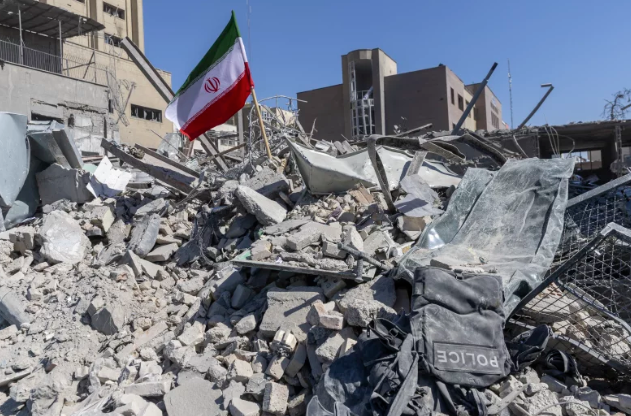
Following two weeks of intense Israeli-American airstrikes on Iran, there remains little indication that the conflict will reach a resolution in the near future.
The economic ramifications of this conflict are increasingly evident worldwide, including in Africa, which accounts for only 7.2% of global oil production and possesses limited refining capacity. The continent’s collective refining output is estimated to be no more than 3.3 million barrels per day, falling short of its demand, which exceeds 4.1 million barrels per day.
39 African oil-importing countries affected by these developments.
The surge in crude oil prices has consistently surpassed the $100 mark. In addition to the price hikes, transportation costs for oil have escalated sharply, primarily due to the closure of the Strait of Hormuz—an essential passage accounting for 20% of the world’s oil shipments. Security concerns in the Strait, combined with disruptions in the Red Sea caused by the Houthi movement in Yemen, have resulted in heightened insurance premiums for goods destined for Africa and other world regions. Collectively, these factors are exerting significant pressure on the economies of Africa’s 39 oil-importing nations.
The increase in crude oil prices is consequently affecting transportation, electricity cost, and industrial production. The resulting inflation is driving up consumer and food prices, thereby impacting household budgets across the continent.
Resilience of South Africa
South Africa President Cyril Ramaphosa, said, “Africa is already experiencing the consequences of the escalating conflict in the Middle East, including supply chain disruptions and increasing energy prices.”
It is noteworthy that the South African Rand has depreciated by approximately 1.5%, a decline attributed to heightened tensions in the Middle East. Nevertheless, South Africa has managed to mitigate the Rand’s devaluation against the US dollar, aided by a rise in gold prices—an asset for which the country ranks as the second-largest African producer, following Ghana. The South African economy thus demonstrates notable resilience; however, the longer the conflict persists, the greater its economic impact will be felt across the continent.
Rising energy costs intensify budgetary pressures.
Considerable fiscal strains should not be discounted, as the majority of African nations subsidise fuel prices to ensure they remain accessible to the average citizen. These energy expenditures are certain to increase. In 2024, two years prior, the price of Brent crude stood at approximately 80 dollars per barrel. With prices now surpassing 100 dollars, African governments wishing to maintain subsidies will be required to source additional funding or implement budgetary cuts to continue supporting fuel prices.
Clearly, African countries will need to address inflationary trends within their economies, which will be further impacted by rising import costs. This, in turn, will add to the burden of external debt, largely denominated in US dollars. Consequently, economic growth forecasts for the continent will need to be re-evaluated.
Potential Benefits for African Crude Oil Producers
Several African oil-exporting nations—including Nigeria, Angola, Algeria, Gabon, Congo, and Equatorial Guinea—stand to gain temporarily from rising oil prices through increased budgetary revenues and improved trade balances. Nonetheless, such advantages are tempered by the region’s limited local refining capacity and the broader inflationary trends, which contribute to a general rise in prices.
Responses from African Institutions
Given these complex circumstances, African institutions and some leaders are appealing to the international community to prioritise diplomatic solutions for resolving the ongoing crisis.
ECOWAS, in an official communiqué, cautioned against “the severe economic and security ramifications, particularly for Africa, which is already contending with multiple crises… any escalation of the conflict could result in higher energy prices, further disrupt global supply chains, and intensify pressure on economies still vulnerable due to inflation”.
Mahmoud Ali Youssouf, President of the African Union Commission, conveyed “his deep concern regarding the dangerous escalation of hostilities and warned of the potential repercussions on global markets”.
Sources; Visual Capitalist – JA – Mondafrique